MedStar Medical House Call Program

Client’s prompt:
MedStar is a Washington, DC-based health system. In sponsorship with the West Health Foundation, and the Centers for Medicare and Medicaid Services, MedStar asked us to examine their Medical House Call Program. They wanted to know whether the service could become financially self-sustaining without jeopardizing its efficacy.
What we produced:
Among several concepts produced, MedStar invested in one of our concepts that served to make the work more efficient, safer, and valuable to the key cog of this service: the mobile nurse practitioner.
Our approach:
By performing ride-alongs with nurses and observing their interactions with the multiple stakeholders, including patients, patients’ families and other caregivers, we immersed ourselves with the mobile nurse practitioners’ daily journey from morning thru evening. By building deep empathy with the nurses, we were able to identify what their key motivators were and what we might be able to change about the service that would serve not only the business model, but also the nurses and patients.
Our key insights:
Geriatric patients are often unable to adhere to care plans that include regular visits to healthcare facilities. Simply leaving their home may cause enough physical and emotional stress to trigger a health episode. Due to their high-risk state and preference to peacefully live their final days at home versus in hospice, they often burden the emergency department with otherwise avoidable preventable episodes.
Nurse practitioners get amazing insight into their patients’ lives, (e.g., by being able to observe family dynamics, peek at medicine cabinets, see a can of salt on the dining table), and as a result are able to cause small but powerful behavioral interventions that will improve the health and comfort of their patients. The mobile nurses enjoyed the amount of autonomy the role provided because they did not need to constantly manage up to physicians, who traditionally rule the hospital environment, and because the role allowed them to utilize their knowledge and skills to a fuller extent. We noticed that they took full advantage of their time with patients but also spent a lot of time (and patience) between and after appointments driving, parking and charting their medical notes.
What resulted:
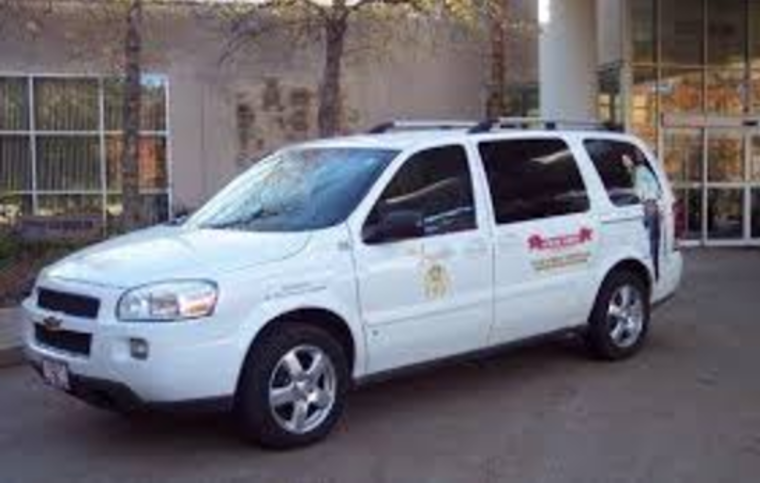
The effort led to multiple concepts tested by MedStar including an investment in dedicated vans and drivers to transport the individual nurse practitioners, allowing them to record medical notes between appointments, avoid the search for parking, avoid personally transporting lab materials back to the hospital, and to feel safer with an escort, particularly because they were transporting expensive drugs and devices. Importantly, it created more revenue within the business model by allowing for additional house calls per day while still providing the nurse with the time to perform high-quality visits.
