Disrupting Intergenerational Trauma in NYC
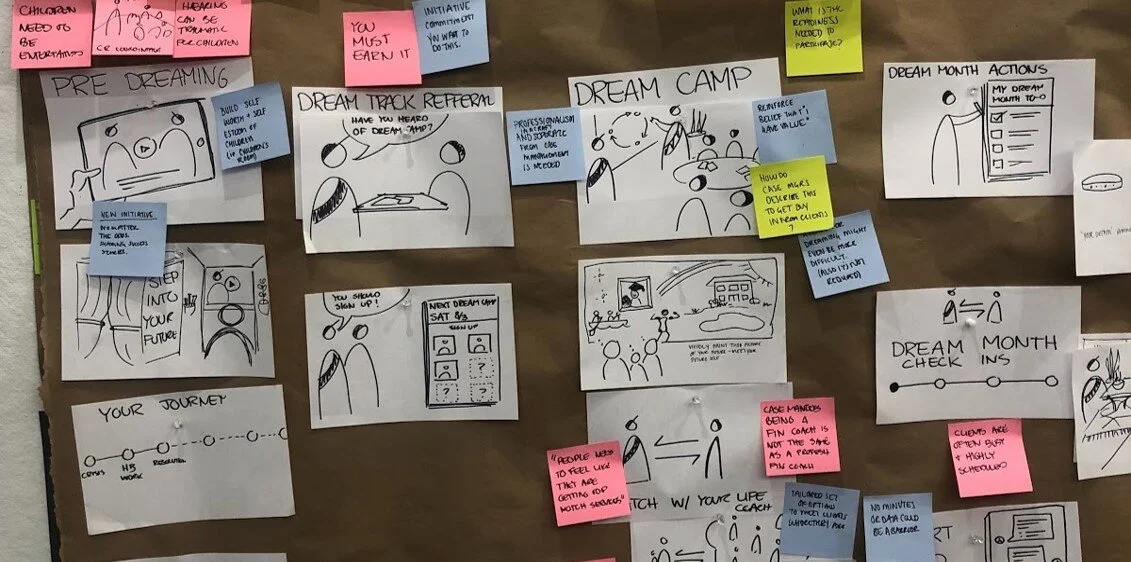
Role: I managed research and strategy of this project along with our research partner, IDEO.org.
Prompt: To develop a strategy for the Deputy Mayor of Health and Human Services to drive system change that will help transform NYC safety net programs to enable the sustained, long-term success of its clients and disrupt intergenerational trauma.
What we produced: A laboratory approach for working with city agency leaders interested in transforming crisis-oriented programs and services into offerings that drive families towards long-term, sustainable mobility.
Our Approach: We embraced a participatory design approach for this project from the outset. We trained research teams who belonged to the very communities we hoped to learn from. We taught them techniques of human-centered design and as a result were able to reach even more New Yorkers. We also sat down with and learned from more than 50 New Yorkers across the five boroughs including caretakers navigating our city shelters; experts and social workers; families moving through the justice system, struggling in the gig economy, and stuck in a cycle of low-wage work.
From this primary research, we created composite user personas. These helped remind us who we’re designing for. Raquel and Andrea, a mother and daughter navigating the shelter system. Matias and Michael, a formerly incarcerated young man and his infant son. Maria and Anthony, a Bed-Stuy native and her high school-age grandson.
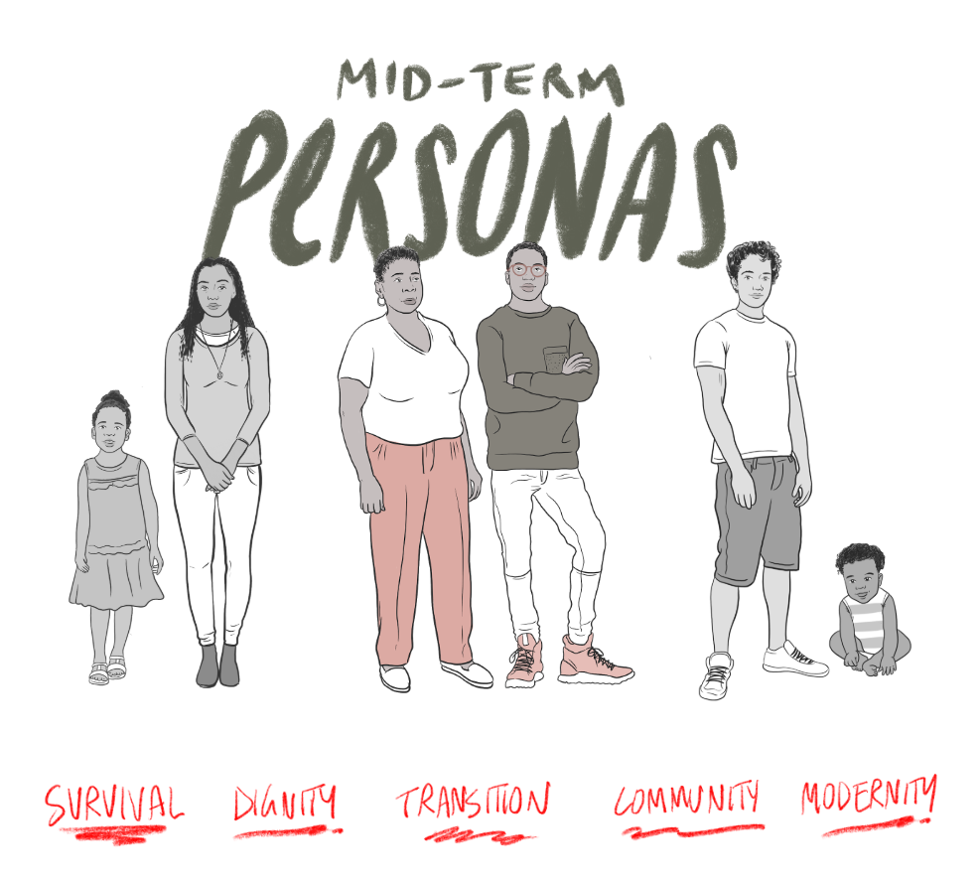
These personas bring to life five themes that came up again and again. These five emerging themes became opportunity areas for design - and new lines of inquiry for further research: Survival, Dignity, Transition, Community, and Modernity.
The Key Insight: One of the key points that stuck out to us as a potential critical lever for design was that there are a number of programs doing an effective job of getting people from a moment of crisis to a place of stability. These moments respond to an individual’s short-term situation, however they are not always positioned to address people’s long-term dreams for their family.
We found an opportunity to leverage these long-term planning moments that often happen between clients and caseworker during a crisis and which sit across a breadth of the city’s health and human services systems — to move beyond crisis management.
The new strategic question became: How might we unlock mobility?
What resulted: The team boiled down key takeaways into a formula that could generate design. The working recipe is that unlocking mobility requires social capital, agency, and external opportunities — this recipe could be applied in so many ways of thinking: policy making, program design, and staff behaviors.
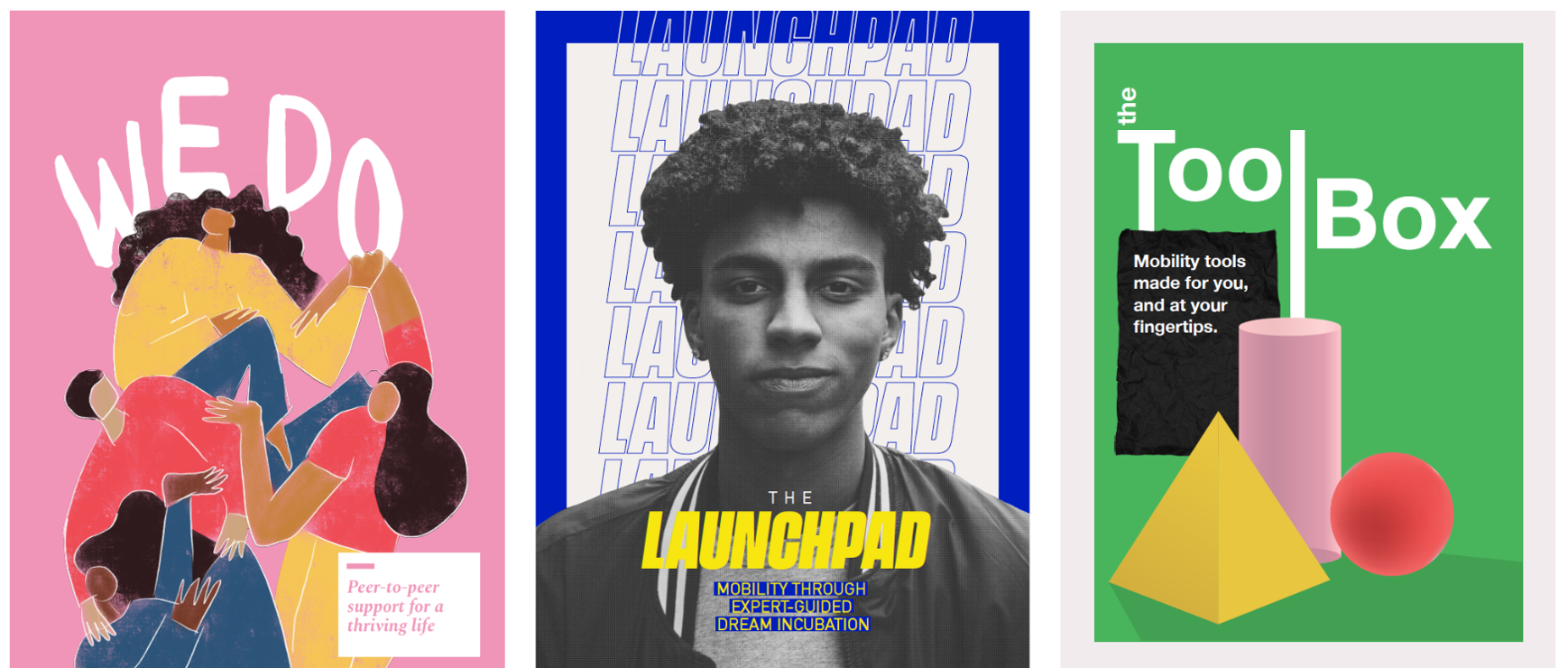
Today, we have crafted and tested a prototype ‘Mobility Lab’ service with three internal agency partners and are currently developing a micro site to outline the experience and build additional partnerships.
The learning and strategies of this work have also informed the strategy of the Deputy Mayor of Health and Human Services by becoming incorporated as key mobility principles in the NYC Children’s Cabinet strategic charter.
